
With The Role of Arcade Games in Modern Education leading the charge, let’s hit the start button on a whimsical journey through pixelated nostalgia! Remember the thrill of inserting a quarter and watching your favorite characters come to life? Well, it turns out that those bright, flashing screens and catchy soundtracks aren’t just for entertainment; they also have a place in the modern classroom! From teaching problem-solving skills to fostering teamwork, arcade games are not only resurrecting fond memories but also reshaping the way we learn today.
Arcade games, born in the groovy 1970s, took the world by storm with classics like “Pong” and “Space Invaders.” These gems laid the groundwork for a cultural phenomenon that saw its peak in the colorful 80s, only to be overshadowed in the 90s — or so we thought! Now, as retro gaming makes a heroic comeback (thank you, arcade bars!), educators are discovering how these beloved games can transform learning experiences into thrilling expeditions.
Ah, arcade games – the pixelated portals that took us from bored afternoons to high-octane adventures in neon-lit worlds. Like a good cup of coffee, arcade games have that magical ability to ignite joy, nostalgia, and a sprinkle of addiction all in one go! Grab your quarters, folks, because we’re diving into the exciting realm of arcade gaming, where the stakes are high, the scores even higher, and the sound of a “game over” can haunt your dreams!
A Quick Trip Down Memory Lane
Before we get too lost in the nostalgia, let’s rewind the tape and take a peek at the history of arcade games, which, believe it or not, have been around longer than your grandma’s secret cookie recipe! The arcade game scene kicked off in the 1970s, with the release of the legendary Computer Space in 1971. Can you imagine? A world where kids nervously dropped their pennies into a machine instead of their parents’ wallets!
Fast forward to 1978, when Space Invaders blasted onto the scene like a UFO at a family picnic. It was the first game to achieve mainstream popularity, leading to endless competitions, furious button-mashing, and a sudden shortage of coins in every arcade across the globe. Just when you thought things couldn’t get any wilder, Pac-Man waddled on stage in 1980, munching dots and ghosts like they were candy at a dentist convention!
The Cultural Impact: More Than Just a Game
Arcade games weren’t just about high scores and flashy graphics; they were a cultural phenomenon that shaped an entire generation! They told stories, created friendships, and even sparked rivalries that rivaled the greatest soap operas! Remember the first time you and your best friend squared off in Street Fighter? That was less of a friendly competition and more of an epic showdown worthy of a Shakespearean play!
With the rise of arcade culture, plenty of iconic phrases were birthed. “Game over” became as common as “I love pizza,” while “Insert coin to continue” became the unofficial anthem of the gaming community. And let’s not forget how arcade games influenced music, fashion, and even language. You’d hear kids talking about “getting a 1UP” as if they were discussing stock market investments!
In the 80s and 90s, arcades turned into social hubs, much like coffee shops today. If you wanted to find your friends, all you had to do was follow the trail of colorful lights and the unmistakable sound of “Waka Waka.” It was a time when venturing out meant battling pixelated monsters, not just scrolling through social media on your phone while sitting on the couch.
The Secrets of Success: What Makes Arcade Games Tick?: The Role Of Arcade Games In Modern Education
So what’s the secret sauce that makes arcade games so timeless? Is it the pixels? The sound effects? Or perhaps the sheer thrill of competing against strangers while simultaneously trying to impress that cute kid in the corner? Spoiler alert: it’s all of the above!
First off, let’s talk about game mechanics. Arcade games are designed to be simple yet addictive, pulling you in with their easy-to-understand controls while presenting a challenge that makes you want to keep coming back for more. It’s the “just one more game” effect; you know, the feeling that lures you into a never-ending cycle of “just one more quarter.”
Next up is the social aspect. Arcade games foster a sense of community and camaraderie. Remember those days of high-fiving strangers after a massive boss battle? Those moments are what turned a simple game into an event! Plus, nothing beats the thrill of hearing someone shout, “I just beat your high score!” It’s like winning a mini-Oscar in the realm of gaming.
And let’s not forget about the visuals! The flashy graphics and catchy soundtracks are like the icing on the cake. Who can resist the charm of 8-bit characters dancing across the screen or the classic sound of coins clinking into the machine? For many, it’s not just gameplay; it’s an experience that awakens the inner child – the one who believed that a high score could rival a superhero’s achievements!
Reflecting on the Era of Arcades
As we look back at the arcade era, it’s like flipping through an old photo album filled with vibrant memories and slightly embarrassing hairstyles. While home consoles and mobile gaming have taken center stage, the arcade will always hold a special place in our hearts—and perhaps our pockets, too, if we’re not careful with those pesky quarters!
Many arcade games have evolved, giving birth to modern equivalents, but nothing quite captures the essence of standing shoulder to shoulder with fellow gamers, frantically pressing buttons, and cheering on your comrades as they navigate pixelated landscapes. So, let’s raise a glass (of soda, of course) to the unsung heroes of our youth and the countless hours spent feeding quarters into machines that provided more than just entertainment—they provided joy, connection, and memories that are worth their weight in gold!
Now, as we close this arcade saga, remember: life is just like an arcade game. You may stumble, get knocked out, or even face a “game over” screen, but with a little resilience and a handful of quarters, you can always hit that “continue” button and start anew! So go on, gather your friends, find an arcade, and let the games begin!
In the wise words of an unknown gamer: “Life is a game, and I’m just here for the high scores!”
FAQ Section
How do arcade games enhance learning?
Arcade games promote critical thinking, teamwork, and problem-solving skills, all while keeping players engaged and entertained.
Are there specific subjects that benefit from arcade games?
Yes! Subjects like math, history, and science can be effectively taught through interactive arcade-style games that make learning fun.
Can arcade games help with social skills?
Absolutely! Multiplayer arcade games encourage collaboration and communication, helping players build strong social bonds.
What age groups benefit from arcade games in education?
Arcade games can benefit learners of all ages, from young children mastering basic skills to adults engaging in continuous learning.
Are there any downsides to using arcade games in education?
While there are many benefits, too much screen time can be a concern, so moderation and balance are key!
Related Games

Why The Beep-Boop Era Still Captures Our Hearts
Why the Beep-Boop Era Still Captures Our Hearts is not…

Best Cities In The World For Arcade Enthusiasts
Best Cities in the World for Arcade Enthusiasts is the…
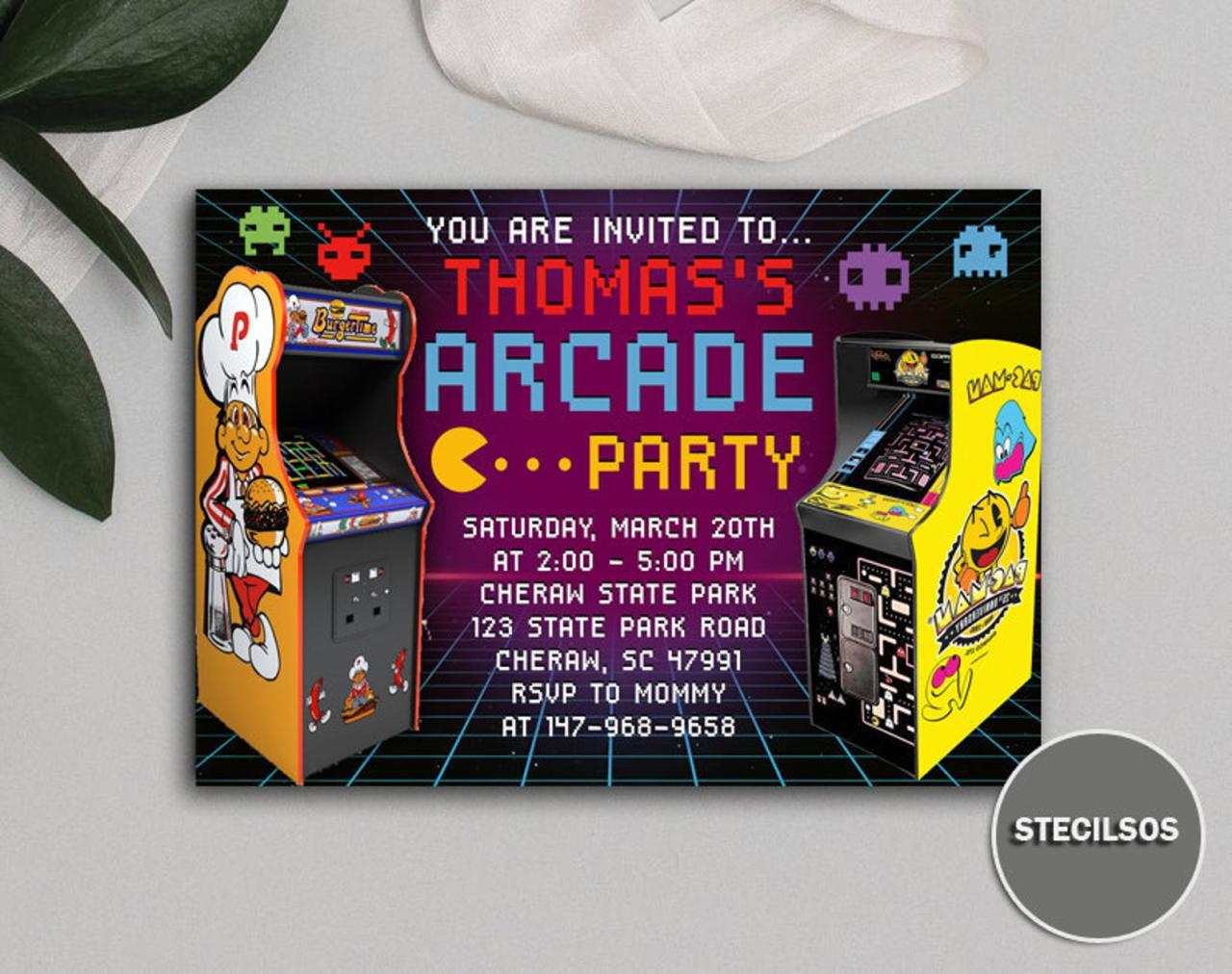
How To Host Your Own Retro Arcade Tournament
How to Host Your Own Retro Arcade Tournament is your…