
The Rise of Pac-Man: How a Yellow Dot Became a Global Icon takes us on a nostalgic trip to the pixelated past where yellow dots ruled the arcade landscape. Picture this: You step into an arcade for the first time, and the sounds of beeping, whirring, and the occasional frustrated gamer fill the air. You’re mesmerized by the flashing screens and the promise of high scores. Little did you know, a simple yellow circle would soon gobble its way into your heart and the world’s pop culture.
As we dive into the charming history of arcade games, we’ll uncover the delightful story behind Pac-Man’s rise from mere yellow dot to an icon. From the birth of arcade culture in the 1970s to the explosion of gaming in the 1980s, this article is packed with fun facts, nostalgic memories, and insights that show how this little dot defied gravity and became a pop culture phenomenon.
Ah, the sweet sound of 8-bit music, the hypnotic glow of CRT screens, and the tantalizing promise of high scores that can make or break your weekend. Welcome, dear reader, to the captivating realm of arcade games! Whether you’re a seasoned joystick warrior or a curious newbie looking to navigate this pixelated universe, there’s something here for you. So grab your quarters (or maybe just your credit card – we live in the future, after all) and let’s embark on an epic quest through the history, cultural impact, and secrets of success behind these mechanical marvels!
A Brief History of Arcade Games: The Rise Of Pac-Man: How A Yellow Dot Became A Global Icon
Once upon a time, in a galaxy not so far away (we’re talking the early 1970s), the first arcade game, Computer Space, was launched into the wild. It was a simple shooter, but boy, did it take the world by storm! Fast forward to 1978, and Space Invaders arrived, much like a pizza delivery on a Friday night – it was exactly what everyone wanted. Gamers flocked to arcades, battling pixelated aliens like their Saturday morning cartoons had come alive.
But it didn’t stop there! The 80s saw the dawn of legendary games like Pac-Man and Donkey Kong. If you could score a high score on these bad boys, you were practically the king of the arcade. Forget about getting a Tinder date; all you needed was a few tokens and some serious skills! In this golden era of gaming, arcades were the social hubs where the cool kids gathered, and the only real drama was who could beat the high score on the leaderboard.
The Cultural Impact of Arcade Games
Arcade games weren’t just a passing fad; they were a cultural phenomenon that shaped the very fabric of entertainment! They inspired movies, cartoons, and even a questionable collection of merchandise that we all know and love (or cringe at). Who could forget the epic 1982 films like Tron and WarGames? These cinematic masterpieces showed us that video games could be more than just a hobby; they could be a thrilling adventure that transcended reality!
Moreover, arcade games made their mark on the music scene, inspiring catchy soundtracks that still echo in our hearts. From the iconic chirps of Pac-Man to the legendary tunes of Street Fighter II, it’s hard not to feel a twinge of nostalgia every time you hear that upbeat 8-bit melody. You can almost smell the popcorn and hot dogs from the local arcade while you’re at it!
But the impact wasn’t just limited to pop culture. Arcades also played a significant role in social interaction. Picture this: a group of friends huddled around a machine, cheering each other on like they’re at the Super Bowl, except instead of football, they’re trading lives in Gauntlet. Friendships were forged, rivalries ignited, and there was always that one kid who claimed they could beat the game blindfolded. We all knew they’d probably trip over their own shoelaces, but hey, confidence is key!

The Secrets of Success in the Arcade World
So, what is it that made arcade games the glorious giants they are today? There are a few secrets hidden behind the curtain, and no, it’s not just the quarters stuffed in the coin slots!
First up, simplicity is the name of the game. Many of the most beloved arcade titles are easy to learn but challenging to master. This accessibility meant that anyone could jump on a machine, slap in some quarters, and start having a blast. Think of it as the culinary equivalent of a microwave dinner – anyone can throw it in, but mastering that soufflé takes years of practice. Pac-Man, for example, is about as easy to understand as the concept of a pizza: eat dots, avoid ghosts. Simple, right?
Next, we have the power of competition. High scores are like digital trophies, and every player is vying for that top spot. The thrill of competition drives players to return again and again, each time hoping to outdo their previous self. You know that rush when you’re one pellet away from beating your friend’s score? It’s like scoring the winning goal in a championship match – exhilarating!
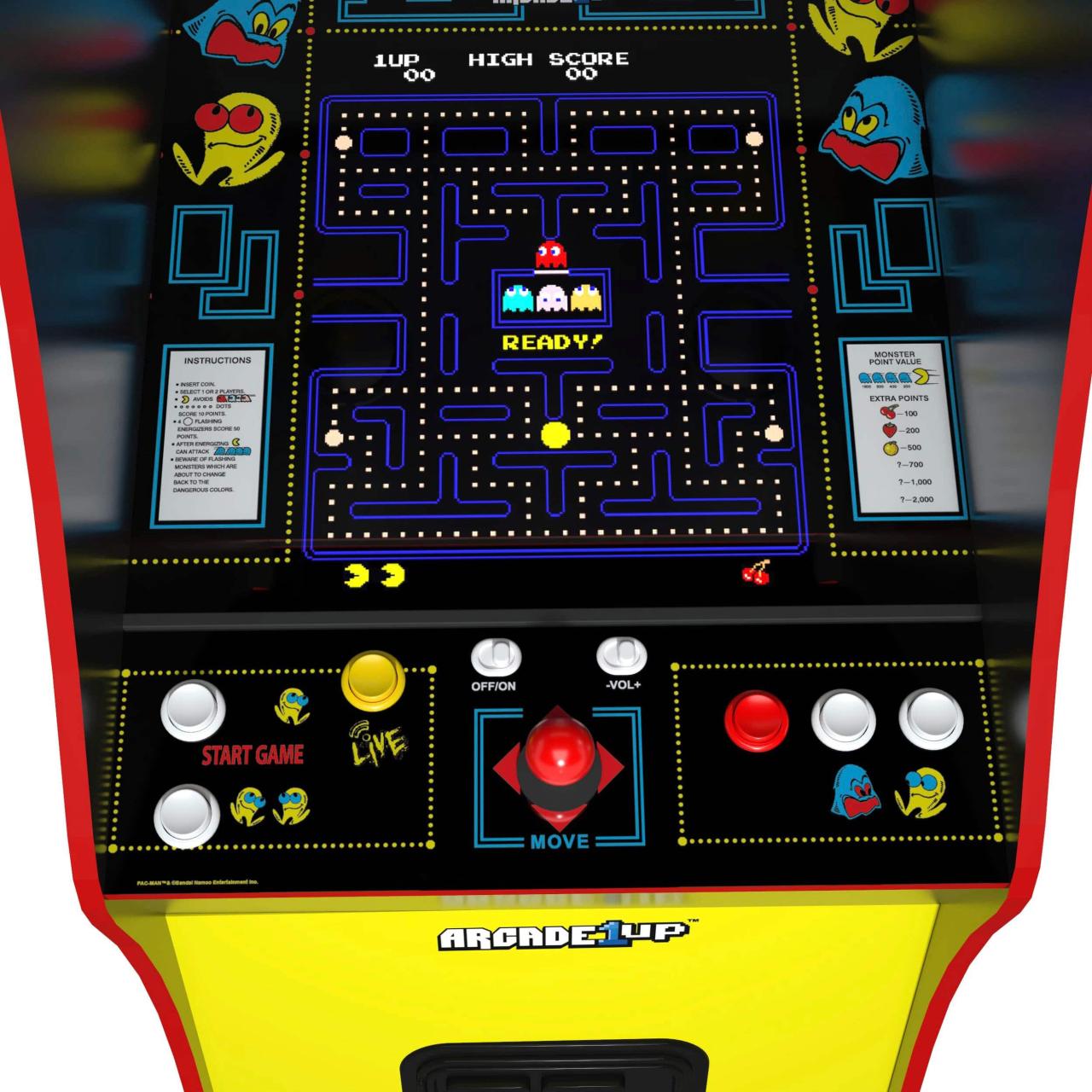
Finally, innovation! The arcade gaming world is a playground for creativity. Developers continually pushed the boundaries of technology and narrative, introducing new mechanics and experiences that kept players coming back for more. Can you imagine a world without Dance Dance Revolution? We’d be deprived of our awkward dance moves in public places, and let’s be real – what would we do at parties?
Reflecting on the Arcade Legacy
As we look back on the glorious history of arcade games, it’s clear that they’ve left an indelible mark on both our culture and our hearts. They may have evolved and morphed into the digital platforms we know today, but the spirit of the arcade lives on. The thrill of the chase, the camaraderie of competing with friends, and the sheer joy of hitting that elusive high score are experiences that remain timeless.
So whether you’re reminiscing about the good old days of inserting quarter after quarter into a machine, or you’re venturing into a modern arcade with your friends, remember that each beep, boop, and pixelated adventure contributes to the ongoing legacy of arcade games.
In conclusion, the next time you find yourself in front of a glowing screen, battling pixelated foes or munching on virtual pellets, take a moment to appreciate the history, culture, and sheer joy these games have brought into our lives. And who knows? Maybe you’ll set a new high score and earn bragging rights for the ages!
So, dear gamer, let’s press start on this journey of nostalgia and excitement – the arcade is waiting, and it’s time to make some memories! Now, where did I put my lucky quarter?
Essential FAQs
What year was Pac-Man first released?
Pac-Man was first released in 1980, making its grand entrance into the arcade world.
Who created Pac-Man?
Pac-Man was created by Japanese game designer Toru Iwatani, who wanted to create a game that appealed to a wide audience.
Why is Pac-Man yellow?
The iconic yellow color was chosen because it stood out well in the arcade and was meant to convey a friendly and approachable character.
How did Pac-Man influence other games?
Pac-Man set the stage for character-driven gameplay and inspired countless games with its maze-chase mechanics and emphasis on strategy.
Is Pac-Man still popular today?
Absolutely! Pac-Man remains a beloved figure in gaming, with numerous adaptations, merchandise, and even tournaments celebrating his legacy.
Related Games

Ranking The Best Light Gun Games Of All Time
Ranking the Best Light Gun Games of All Time is…

The Influence Of Arcades On Modern Mobile Games
The Influence of Arcades on Modern Mobile Games is like…
Centipede And The Era Of Bug-Blasting Fun
Centipede and the Era of Bug-Blasting Fun sets the stage…