
Dance Dance Revolution: How Arcades Got People Moving is a delightful journey back to a time when arcades were the epicenters of joy, chaos, and a symphony of clinking quarters. Remember the first time you stepped onto those glowing dance pads, flailing your arms like a windmill while trying to keep up with the beat? It’s a nostalgic blast from the past, and believe it or not, these pixelated playgrounds are still grooving along in today’s gaming landscape. So, strap on your dancing shoes and let’s explore how these mesmerizing machines became the ultimate movers and shakers!
From the legendary “Computer Space” in 1971 to the iconic beats of DDR, arcade games have evolved and shaped not just our entertainment but also our social lives. They’ve transitioned through decades of change, from the golden age of Pong to the resurgence of arcade culture today, continuously proving that gaming can bring us together even in an increasingly digital world.
Ah, the enchanting world of arcade games! It’s the pixelated paradise where dreams are made of 8-bit glory, and the only thing standing between you and the high score is a quarter and your fine-tuned reflexes. Welcome, dear reader, to the delightful journey through the history, cultural impact, secrets of success, and reflective musings on the quirky universe of arcade gaming!
A Short History: From Coin-Op to Console Kings
Picture this: It’s the 1970s, disco balls are spinning, and platforms are being invaded by aliens. In 1971, Nolan Bushnell and Ted Dabney gave birth to the first arcade game, Computer Space. It was greeted with lukewarm enthusiasm—kind of like a lukewarm cup of coffee you forgot on the counter. But fear not, fellow gamers! Just two years later, in 1973, Pong launched the arcade revolution like a confetti cannon at a birthday party. Suddenly, children and adults alike flocked to their local arcades, armed with pockets full of quarters and a fierce determination for glory.
Fast forward to the 1980s, when arcade cabinets were sprouting up like mushrooms after a rainy day. Everyone was jamming to Pac-Man, dodging ghosts like their life depended on it. Believe me, it did! In this era, devoted gamers formed their own subculture, often spending more time in arcades than in their own homes. Sorry, Mom! I’ll be home… eventually!
Cultural Impact: More Than Just Pixels
Arcade games have not only tickled our thumbs but have also shaped our culture in more ways than you can imagine. They were the original social networks—before Instagram and TikTok turned us all into professional selfie-takers. Gamers gathered in dimly lit rooms, chugging soda and bonding over high scores. Think of it as a prequel to today’s online multiplayer madness, but with a lot more greasy pizza and awkward eye contact.
These colorful cabinets have permeated every corner of pop culture, inspiring movies like The Wizard—the greatest film about video games you didn’t know you needed in your life—and television shows like Stranger Things, where our lovable gang of misfits faces Demogorgons and high scores alike. And let’s not forget the iconic scene in Wreck-It Ralph, where all the arcade game characters come alive and remind us that every pixel has a story to tell.
Secrets of Success: What Makes an Arcade Game Truly Legendary?
Ah, the million-dollar question! What separates the classics from the flops? Well, dear reader, it’s a cocktail of engaging gameplay, irresistible charm, and of course, that sweet, sweet dopamine hit of a well-timed power-up!
First, let’s talk gameplay. The best arcade games don’t just challenge your reflexes; they make you feel like a hero! Take Donkey Kong, for instance. It’s not just a game; it’s an epic tale of a carpenter trying to rescue his girlfriend from a giant ape. Who doesn’t want to be a hero, jumping barrels and dodging trouble? If I had a nickel for every time I wanted to throw a pixelated hammer at a giant gorilla, I’d have enough nickels to, well, throw at the gorilla.
Next comes the charm. A catchy soundtrack, quirky characters, and bright colors can transform a simple game into a beloved classic. Just think about Galaga. It’s a space shooter, but it’s also an experience—one that makes you feel like you’re single-handedly saving the universe (even if the universe consists of pixelated aliens). It’s a little slice of cosmic joy!
Lastly, let’s not underestimate the psychology behind power-ups and rewards. Who doesn’t love a good bonus stage? It’s like finding a $20 bill in an old jacket pocket—pure bliss! Successful arcade games keep you coming back for more, fueled by the desire to top your own high score, and perhaps to bask in the glory of your friends’ jealous glares.
A Reflective Ending: The Game Never Ends
As we wrap up this pixelated pilgrimage, let’s take a moment to reflect. The world of arcade games is more than just nostalgic fun; it’s a vibrant tapestry woven from stories of challenge, camaraderie, and triumph. These quirky machines have been our companions through thick and thin, teaching us the values of perseverance and the thrilling taste of victory (and occasionally the crushing weight of defeat).
Today, while retro arcade bars sprout up like daisies in spring, it’s clear that the spirit of arcade gaming is alive and kicking. Whether you find yourself reliving childhood memories or introducing a new generation to the magic, one thing is certain: the arcade never truly closes. It simply evolves, welcoming each new player with open arms and a quarter slot just waiting to be fed.
So grab your joystick, slip in that quarter, and remember, in the grand game of life, it’s not just about the destination; it’s about the high score you leave behind. Game on!
FAQs: Dance Dance Revolution: How Arcades Got People Moving
What is Dance Dance Revolution?
Dance Dance Revolution is a rhythm video game series that challenges players to step on arrows in time with music, making it an exhilarating combination of dance and gaming!
How did Dance Dance Revolution influence arcade culture?
It revitalized arcades by attracting a new generation of gamers and encouraging social gatherings, turning arcade spaces into lively dance-offs!
Can I still find Dance Dance Revolution machines today?
Absolutely! Many arcade venues and entertainment centers still feature DDR machines, and they often host dance competitions!
Is Dance Dance Revolution suitable for all ages?
Yes! It’s a fun and engaging way for players of all ages to get active while enjoying some great tunes!
What makes Dance Dance Revolution so addictive?
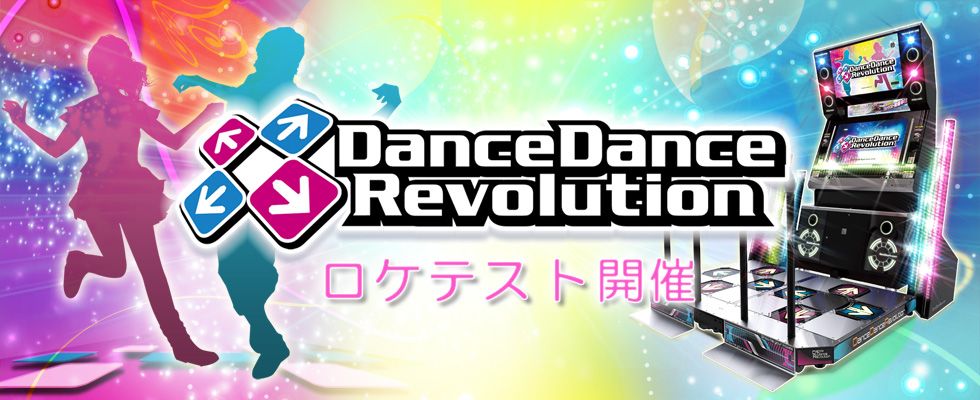
The combination of catchy music, competitive spirit, and the satisfaction of hitting perfect steps keeps players coming back for more!
Related Games

The Evolution Of Arcade Controllers Through The Decades
The Evolution of Arcade Controllers Through the Decades is a…
10 Forgotten Arcade Games That Deserve A Comeback
10 Forgotten Arcade Games That Deserve a Comeback is like…
The Role Of Arcade Games In Modern Education
With The Role of Arcade Games in Modern Education leading…