
Pong: Where It All Began sets the stage for a thrilling journey back to the pixelated past, where the charm of arcade games ruled the world, and those glowing screens were the original social networks. Remember the days when your biggest problem was figuring out how to insert a quarter without causing a jam? Join us as we explore the whimsical origins of arcade gaming, from its humble beginnings to its explosive golden age, and the oddball characters that made it a cultural phenomenon.
The late 1970s birthed the arcade era, with Pong making waves like a rockstar at its first concert. The 1980s ushered in an explosion of creativity, giving us classics like Pac-Man and Donkey Kong, while the 1990s had us wondering if fighting games could bring the arcade back like a superhero at a comic convention. Buckle up for a ride through history as we uncover the nostalgia and community spirit that keeps the spirit of the arcade alive!
Welcome, fellow gamers and nostalgic adventurers! Gather ’round as we take a pixelated trip down memory lane and explore the vibrant world of arcade games. From the ear-splitting sounds of 8-bit music to the delightful aroma of greasy pizza wafting through the air, arcades are more than just a collection of screens—they are a portal to the past, a community hub, and a battleground for high scores. So grab your joystick, and let’s dive into the pixelated history of these beloved gaming realms!
A Brief History: When Pixels Were King
The story of arcade games begins in the misty haze of the early 1970s, when coin-operated machines began to pop up in bars and pizza joints faster than you could say “quarter.” The first widely recognized arcade game, Computer Space, hit the scene in 1971, but it was Pong in 1972 that truly ignited the arcade frenzy. Imagine two paddles furiously batting a pixelated ball back and forth—who knew that such simple graphics could lead to such fierce competition! It was like tennis, but with fewer outfits and more snacks.
As we rolled into the ’80s, arcades exploded like a well-aimed fireball in Super Mario Bros.. Titles like Pac-Man, Donkey Kong, and Galaga became cultural phenomena, with Pac-Man even earning the title of the first video game mascot. If you wore a yellow shirt and had a penchant for gobbling up dots (figuratively, of course), you were the life of the party. In fact, it wasn’t unusual for players to spend entire weekends in arcades, racking up high scores and perfecting their finger dexterity—who needs a gym membership when you have a joystick workout?
The Cultural Impact: More Than Just Games
Arcades were not just places to waste time; they were social epicenters where friendships blossomed and rivalries ignited. You could hear the sound of coins clinking like a symphony of hope as players lined up for their chance at glory. And let’s not forget the magic of the arcade cabinet itself—those towering machines boasted eye-catching artwork, mysterious buttons, and the sweet satisfaction of a joystick that felt like an extension of your very soul.
But beyond the flashing lights and catchy soundtracks, arcade games left an indelible mark on popular culture. They shaped the entertainment landscape, inspiring movies like Tron and The Wizard—two cinematic masterpieces that made gaming seem as heroic as saving the world from aliens (spoiler alert: it often is!). Even the fashion scene felt the influence, with neon colors and mullets becoming synonymous with the gaming craze. Who could resist a good mullet alongside their pixelated adventures? It was the ultimate power move!
Secrets of Success: What Makes Arcade Games Tick?
So, what’s the secret sauce behind the success of arcade games? A dash of nostalgia, a sprinkle of competition, and a generous helping of simplicity. Arcade games are designed to be instantly accessible—just insert a quarter, and you’re off on an adventure! This low barrier to entry means that anyone can become a hero, if only for a few minutes, which is kind of like a digital fairy tale with less glitter and more laser beams.
Moreover, the addictive nature of arcade games is no accident. Developers understand the psychology of player engagement. Games are structured to keep players coming back for more, which is why you can lose track of time as you try to beat that elusive high score. It’s like trying to finish a slice of pizza; once you start, there’s no stopping until every last crumb is gone!
And let’s not overlook the importance of community. Arcades foster social interaction, and the thrill of competition transforms solitary play into a shared experience. There’s a rush in hearing someone shout, “I just beat your score!” It’s like a friendly duel, where the ultimate prize is bragging rights and maybe a slice of that pizza you’ve been eyeing. No one wants to be the person who loses in front of their friends—talk about pressure!
Reflecting on the Arcade Legacy: Pong: Where It All Began
As we fast forward to today, the legacy of arcades lives on, albeit in a different form. While many classic arcades may have shuttered their doors like a poorly-timed game over screen, home consoles and online gaming have kept the spirit alive. Modern arcade-like experiences can be found in mobile apps and indie games, where developers channel the nostalgia of yesteryears into pixelated masterpieces that bring a smile to our faces.

But let’s take a moment to appreciate what made arcades special: the thrill of putting in a quarter, the buzz of the crowd, and those glorious moments of victory against the odds. In an age of online play, there’s something undeniably magical about gathering with friends in a physical space, sharing laughter, and shouting “Just one more game!” like your life depends on it.
So, as we reminisce about the glory days of arcade gaming, let’s remember that whether we’re slipping coins into a cabinet or tapping our screens, our love for gaming remains as vibrant as ever. After all, life is just one big arcade, and the real game is to enjoy every level along the way!
Now, go forth and may your high scores be ever in your favor! And remember, if you see a ghost, don’t panic—just eat a power pellet and remember: you’re the hero of your own game!

Common Queries
What year was Pong released?
Pong was released in 1972, marking the dawn of arcade gaming.
Who created Pong?
Pong was developed by Atari, with co-founder Nolan Bushnell playing a pivotal role.
Why were arcade games so popular in the 80s?
They offered an exciting social experience, were accessible, and featured captivating gameplay that kept players coming back for more!
Are arcade games still relevant today?
Absolutely! They continue to inspire new games and attract fans with retro enthusiasts and modern twists on the classics.
How did arcade games influence modern gaming?
Arcade games paved the way for multiplayer experiences and competitive gaming, setting the stage for the gaming culture we know today.
Related Games

Why The Beep-Boop Era Still Captures Our Hearts
Why the Beep-Boop Era Still Captures Our Hearts is not…
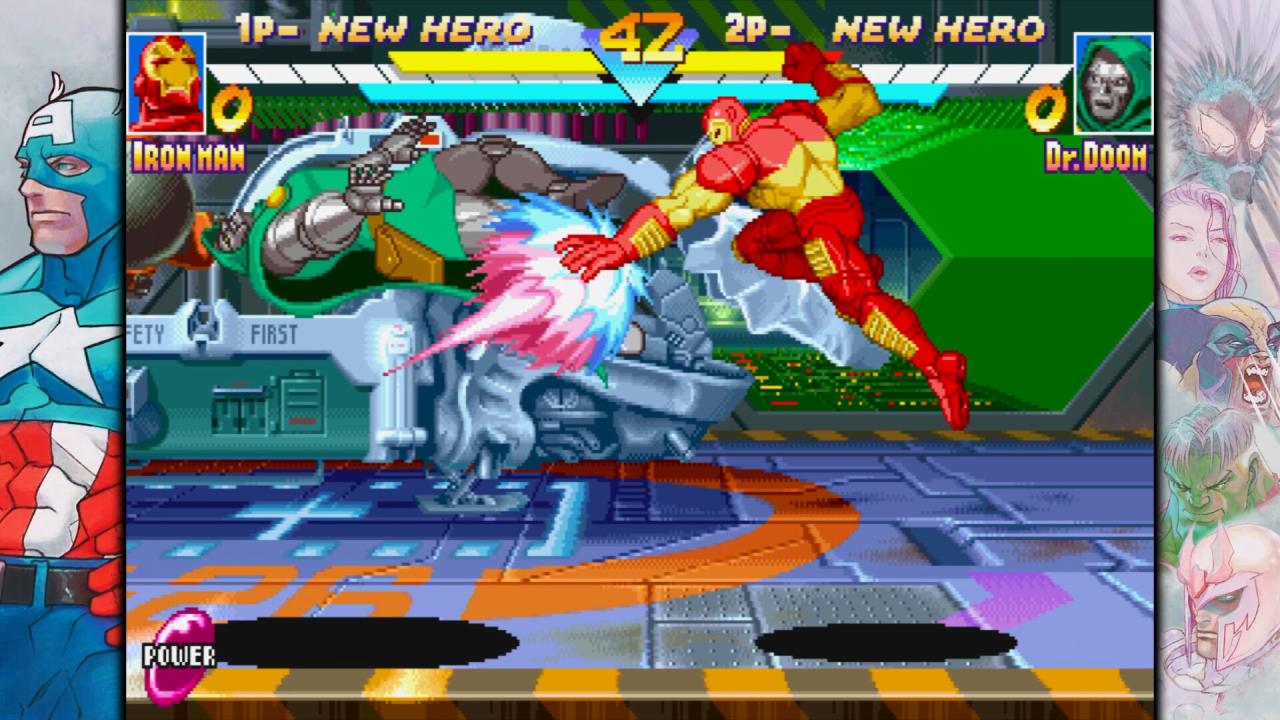
Retro Vs Reboot When Arcade Classics Get A Modern Twist
Retro vs Reboot: When Arcade Classics Get a Modern Twist…

Eco-Friendly Arcades Sustainable Fun For The Next Gen
Eco-Friendly Arcades: Sustainable Fun for the Next Gen is where…