
The Evolution of Arcade Controllers Through the Decades is a thrilling journey through pixelated history that’ll take you from the days when joysticks were as simple as a stick in the mud to the complex, multi-button marvels of today. Remember the sound of coins clinking? Those were the sweet symphonies of our childhood, where we learned that life is just a game of skill, luck, and maybe a quarter or two!
In this rollicking ride, we’ll explore how arcade controllers have transformed from the humble beginnings of Pong paddles in the 1970s, through the joystick extravaganza of the 80s, diving deep into the 90s when things got all 3D and complicated, and finally, how the spirit of arcade gaming is making a comeback, blending retro charm with modern tech. Buckle up and grab your favorite joystick, we’re diving into a nostalgic wonderland!
Press Start: The Marvelous Journey of Arcade Games
Ah, the sweet sound of pixels popping and the clattering of coins cascading into the machine like they’re auditioning for a role in a blockbuster film! Welcome to the electrifying realm of arcade games, where the only thing more addictive than the gameplay is the neon glow of the cabinets themselves. Whether you remember the bliss of feeding quarters into machines or you’re a Gen Z-er discovering these retro gems for the first time, let’s dive into the fantastical world of arcade gaming!
A Brief History: From Coin-Operated Oddities to Cultural Icons
Our story begins in the 1970s, where the seeds of arcade gaming were planted like a wise old tree in the backyard of gaming history. The first coin-operated arcade game, Computer Space, made its debut in 1971, and it was about as user-friendly as a cat with a laser pointer obsession. Fast forward to 1978, and bam! Space Invaders blasted its way into our hearts and our quarters, turning gamers into pixelated space warriors. Suddenly, arcades were popping up like mushrooms in a Mario level, and everyone wanted to be the high score king.
The 80s brought us classics like Pac-Man and Donkey Kong, where players munched on pellets and dodged barrels like they were dodging family reunions. Arcades became the epicenters of social interaction, where you’d find kids swapping strategies, arguing over high scores, and perhaps plotting world domination with a combo of joystick skills and caffeine-fueled frenzy.
Cultural Impact: More Than Just Games
Arcade games weren’t just about the pixels and sounds; they had a cultural impact that echoed throughout the decades. They shaped fashion trends, inspired hit movies, and even paved the way for the rise of esports. Who could forget the classic film Wreck-It Ralph? It’s as if the arcade machines themselves decided to throw a rager, and they invited all of us to join the party!
These games also laid the groundwork for the social fabric of gaming. Think about it: where else could a shy kid find instant camaraderie with a stranger over a shared love for defeating pixelated ghosts? Arcade games became the meeting ground for friendships, rivalries, and the occasional “Whoops, I didn’t mean to hit start!” awkward moment.
Secrets of Success: What Makes an Arcade Game a Legend?
So, what’s the secret sauce that makes certain arcade games stand the test of time? Here’s a hint: it’s not just the eye-popping graphics or the catchy 8-bit tunes (although those definitely help!).
- Accessibility: If a game feels like an elite club only for the chosen ones, it’s unlikely to thrive. Games like Street Fighter II found success because they were easy to learn but hard to master—much like trying to assemble IKEA furniture without a degree in engineering.
- Competition: Nothing gets the adrenaline pumping quite like the thrill of competition. High scores, tournaments, and the ever-elusive “winner takes all” bragging rights keep players coming back for more. Remember that moment of glee when you finally beat your friend’s record? Priceless!
- Replayability: If a game feels like a one-and-done experience, it may as well be a sneeze in your gaming journey. The best arcade games—like Galaga and Dance Dance Revolution—keep you hooked with levels and challenges that entice you to ‘just one more game’ until you realize it’s 3 AM, and your laundry has been neglected for a week.
Moreover, let’s not overlook the nostalgia factor. When you hear that blip-blop sound of a life lost or see the iconic yellow circle munching on ghosts, you’re not just transported to your childhood; you’re reminded of simpler times, before adulting made life feel like a boss level you never signed up for.
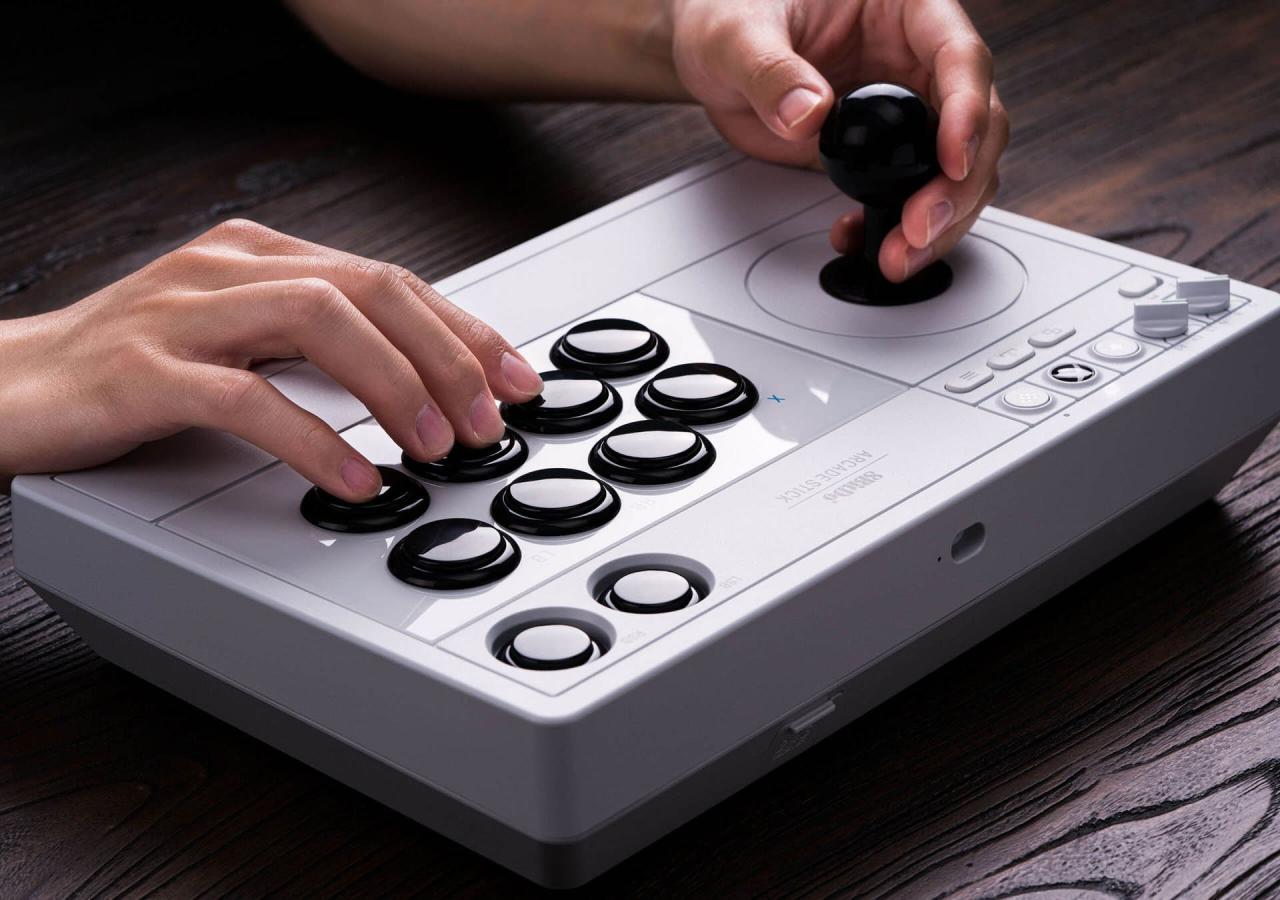
Reflective Ending: The Never-Ending Game, The Evolution of Arcade Controllers Through the Decades
As we wrap up this whirlwind tour through the arcade universe, it’s essential to recognize that while technology has evolved and gaming consoles have taken over our living rooms, the heart of arcade gaming will always be alive and well. It’s a vibrant tapestry woven with pixels, friendships, and moments of glorious victory (and defeat, let’s not forget, because let’s face it, we’ve all raged at a screen at some point).
So, whether you’re reliving the glory days at your local arcade or introducing a new generation to the fun of joystick jiving, remember this: arcade gaming is more than just a hobby or a pastime—it’s a cultural phenomenon that has shaped our interactions, inspired countless creators, and provided endless hours of joy.
Now, if you’ll excuse me, I hear my quarters calling, and I think I’ve got a high score to chase down—after all, life’s too short not to spend a little time in the pixelated paradise of arcade gaming. Game on!
Expert Answers: The Evolution Of Arcade Controllers Through The Decades
What was the first arcade controller ever made?
The first arcade controller can be traced back to the iconic Pong game, released in 1972, featuring simple paddle controls that started it all.
Why did arcade controllers evolve over the decades?
Arcade controllers evolved to enhance gameplay, keeping up with technological advances and providing players with more immersive and engaging experiences.
Are arcade controllers still relevant today?
Absolutely! With the rise of retro gaming and modern arcades, arcade controllers have seen a resurgence, appealing to both nostalgic players and a new generation.
What makes a good arcade controller?
A good arcade controller balances simplicity, responsiveness, and comfort, allowing players to enjoy long gaming sessions without fatigue.
Can I use arcade controllers on modern consoles?
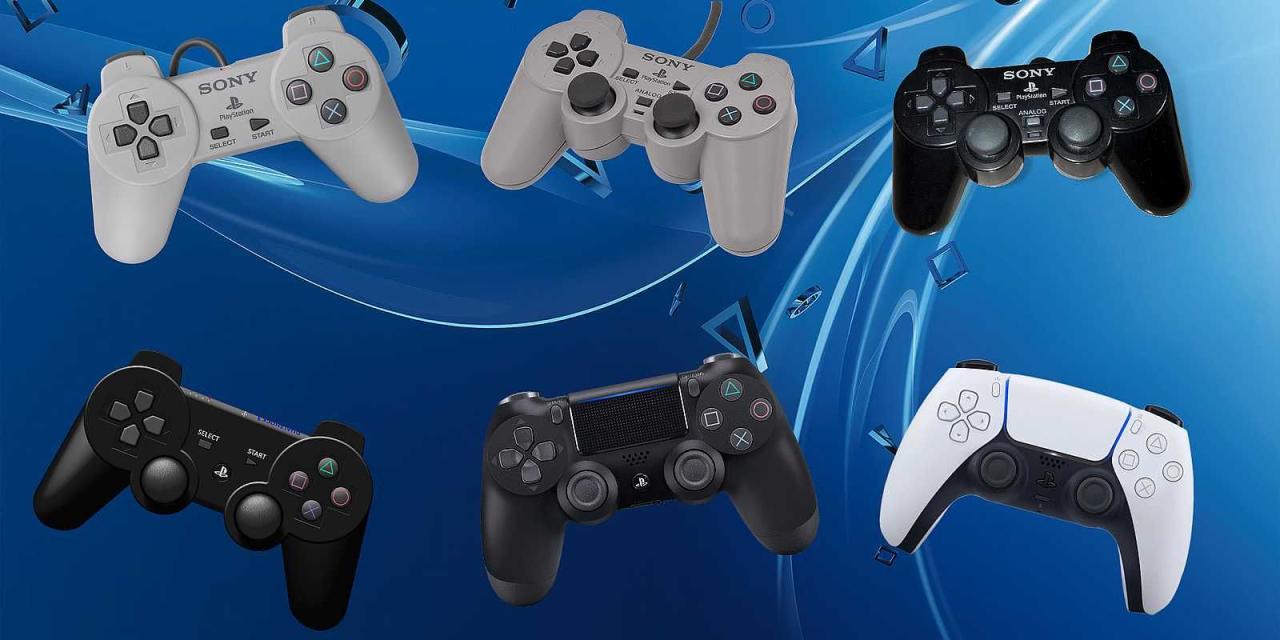
Many arcade controllers can be adapted for modern consoles, allowing players to experience classic games with their favorite retro equipment!
Related Games

How Electric Vehicle Chargers And Arcades Are Teaming Up
How Electric Vehicle Chargers and Arcades Are Teaming Up is…

Smart Ticketing Systems Revolutionizing Prize Redemption
Smart Ticketing Systems: Revolutionizing Prize Redemption sets the stage for…

Ranking The Best Light Gun Games Of All Time
Ranking the Best Light Gun Games of All Time is…