
Retro vs Reboot: When Arcade Classics Get a Modern Twist dives headfirst into the delightful chaos of arcade gaming, where the sweet sounds of clinking coins and pixelated screens once ruled our youthful hearts. Picture this: a gang of friends huddled around a glowing machine, tossing quarters like tiny golden tickets to adventure, all while trying to outscore each other in the epic showdown of the day. Ah, the memories!
From the humble origins of Pong in the 1970s to the dazzling heyday of Pac-Man and Donkey Kong in the 80s, arcade games have not only entertained but also shaped social interactions and youth culture. As home consoles burst onto the scene, they turned the arcade into a nostalgic relic, sparking debates about the merits of retro charm versus modern flair.
Ah, the arcade: a magical realm where the sounds of 8-bit music fill the air, neon lights beckon you closer, and the smell of stale popcorn and spilled soda wafts through the atmosphere like a nostalgic perfume. It’s a land where the brave face off against pixelated foes, and where quarters are sacrificed willingly to the gods of high scores. Buckle up, dear reader, as we embark on a journey through the pixelated past, cultural significance, and secrets of success that define the arcade game experience!
A Short History: From Coin-Op to Icon
Let’s rewind the clock to the late 1970s, a time when bell-bottoms were in vogue, disco ruled the airwaves, and video games were just beginning to emerge from the primordial ooze of digital experimentation. The first true arcade game, “Computer Space,” was launched in 1971, but it was “Pong” in 1972 that really made the digital splash heard ‘round the world. I mean, who wouldn’t want to spend hours batting a pixelated ball back and forth? It’s essentially the same concept as a yard game, but with less chance of getting hit in the face with a stray Frisbee.
Fast forward to the golden age of arcade gaming in the late 70s and early 80s. This was when titles like “Pac-Man,” “Donkey Kong,” and “Galaga” became household names, and gamers united in their quest for high scores. Arcades flourished much like the mullet hairstyle: business in the front, party in the back. As players flocked to these dazzling venues, they were creating a cultural phenomenon that would transcend generations.
Cultural Impact: More Than Just High Scores
Arcade games didn’t just reshape our living rooms; they transformed our culture. The early arcade boom gave birth to a community that celebrated friendly competition and shared experiences. These pixelated adventures weren’t just about beating a game; they were about forging friendships over shared joystick struggles and rivalries that could get as heated as a game of Monopoly at family game night.
Even the language we use today owes a debt to the arcade age. Terms like “power-up,” “extra life,” and “game over” have taken residence in our everyday vocabulary, often appearing at the most unexpected moments. How many times have you sighed dramatically after a rough day at work, declaring, “I need a power-up?” Or how about when you realize you’ve finished a box of donuts and mutter, “Well, that’s a game over for my diet!”
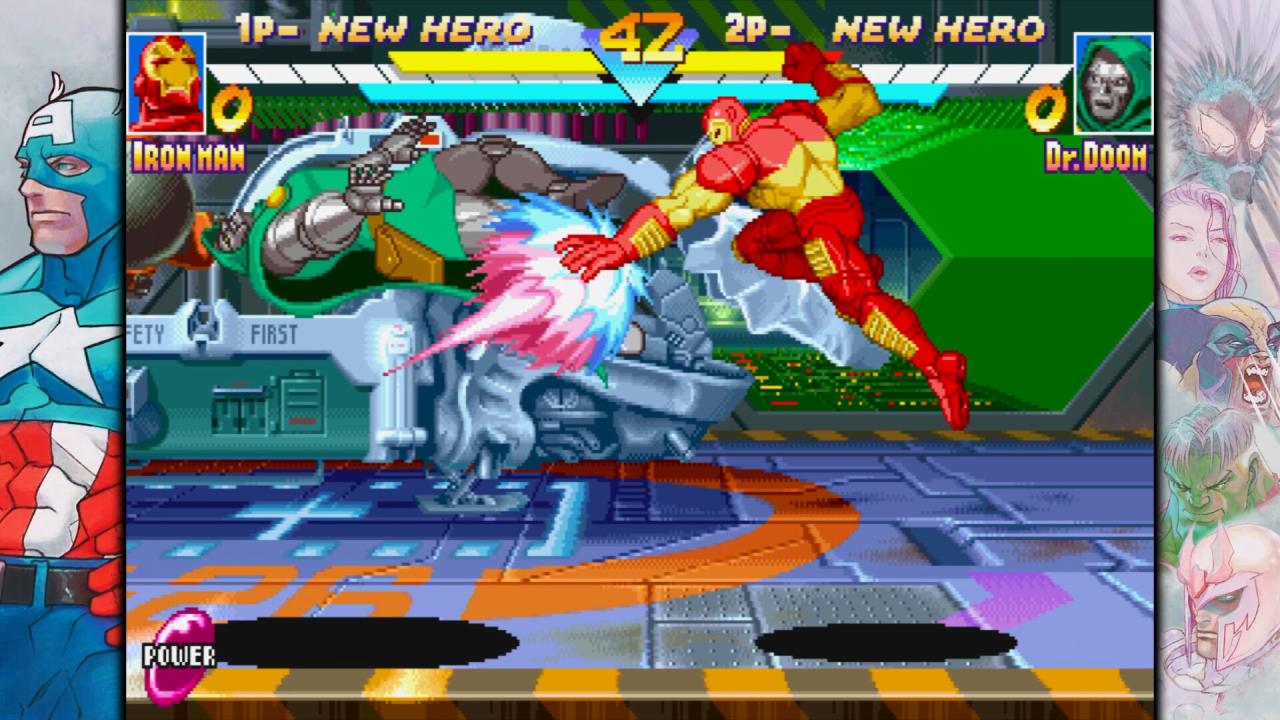
Movies, television shows, and even fashion have been touched by the arcade phenomenon. Blockbusters like “The Wizard” and “Wreck-It Ralph” showcased the glamorous (if slightly exaggerated) lives of gamers, while pop culture references to “Pac-Man” and “Street Fighter” have become as ubiquitous as that one uncle who insists on telling the same dad jokes at every family gathering.
Secrets of Success: What Makes Arcade Games Tick?
Now, let’s dig into the secret sauce that keeps the arcade dream alive! What is it about these games that keeps us coming back, even as we grow older and wiser (or at least older)?
- Accessibility: Most arcade games are designed to be easy to learn but difficult to master. You can walk up, pop in a quarter, and within seconds, you’re blasting aliens or dodging barrels like a pro. It’s like the espresso shot of gaming: quick, energizing, and you don’t need a degree in rocket science to enjoy it!
- Community Vibes: There’s something about standing shoulder to shoulder with fellow gamers, cheering each other on like a sports team at the Super Bowl. The camaraderie in arcades turns gaming into a social event—like a party where instead of chips and dip, you have mid-level rage against a pixelated dragon.
- Visual and Auditory Engagement: The flashing lights and catchy tunes are like catnip for the brain. The moment you hear those familiar sound effects, you’re transported back to simpler times when your biggest decision was whether to go for the high score or grab a slice of pizza.
- Nostalgia Factor: For many of us, arcade gaming is a time machine that transports us back to childhood. There’s something soothing about hearing the sound of coins clinking and the excitement of a new high score. It’s the adult equivalent of jumping into a pile of autumn leaves or chasing the ice cream truck.
Reflective Ending: The Last Coin Toss
As we look back on the arcade’s legacy, it’s clear that these pixelated adventures have left an indelible mark on our hearts and minds. They’ve shaped friendships, sparked creativity, and given us countless moments of joy (and a few embarrassing defeats). So whether you’re a seasoned player still hopping between “Street Fighter” and “Dance Dance Revolution” or a curious newbie ready to jump into the fun, never underestimate the power of the arcade.
Next time you find yourself wandering through an arcade, remember: every quarter is a tiny ticket to a world where the stakes are high, the excitement is real, and the only thing you can lose is your lunch money. Game on, my friends, and may your high scores shine as bright as your love for nostalgia!
In the end, remember that in the arcade of life, we’re all just players trying to level up one quarter at a time!
Top FAQs: Retro Vs Reboot: When Arcade Classics Get A Modern Twist
What defines a retro arcade game?
A retro arcade game typically refers to classic games from the 70s to 90s that feature pixelated graphics, simple mechanics, and addictive gameplay.
How has technology influenced modern arcade games?
Modern arcade games benefit from advancements like VR, enhanced graphics, and online multiplayer, bringing a fresh twist to classic gameplay.
Are arcades still popular today?
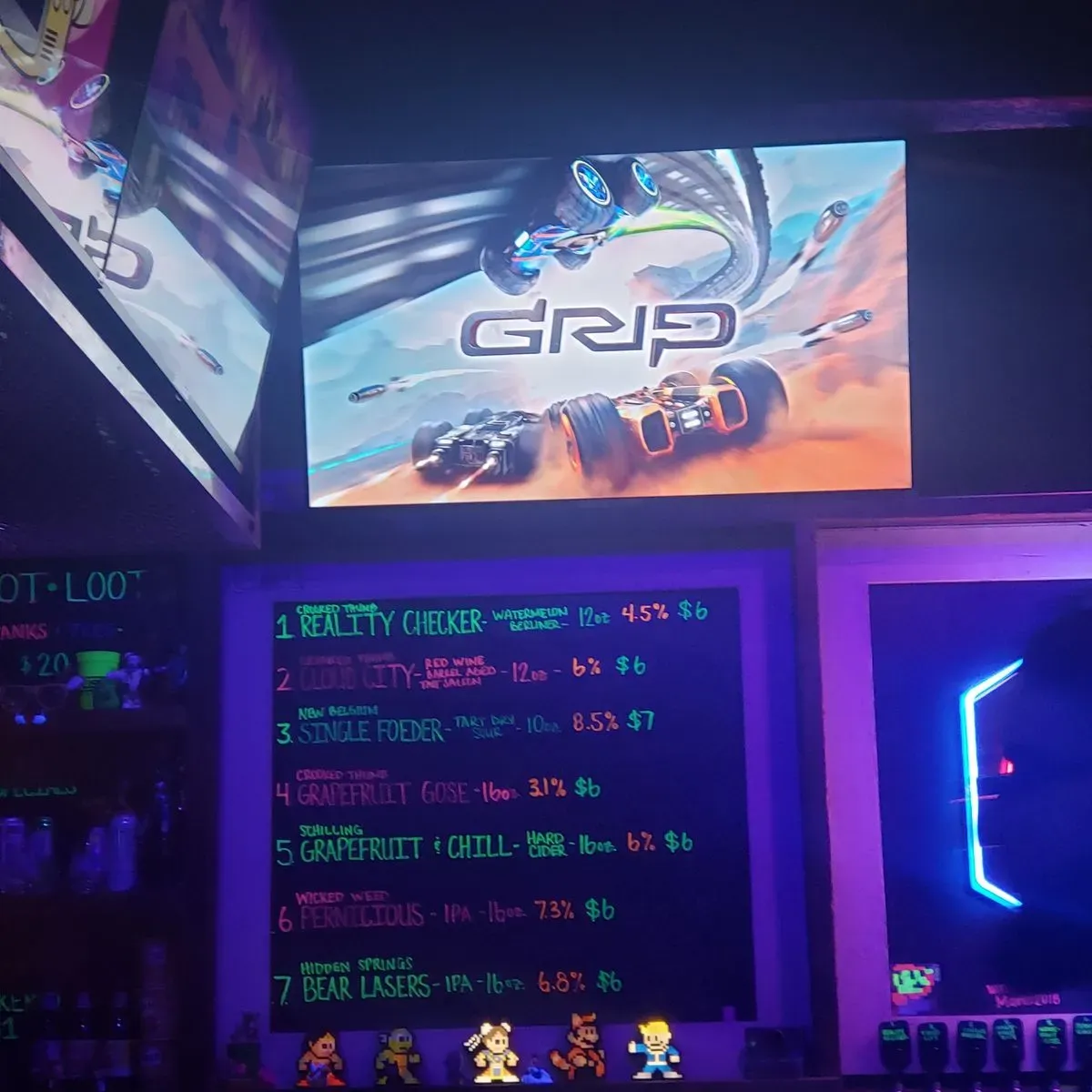
Yes! While traditional arcades have evolved, many are thriving, especially with the rise of barcades and gaming lounges that combine food, drinks, and fun.
What’s the biggest difference between retro and rebooted games?
Rebooted games often feature updated graphics, mechanics, and sometimes even storylines, aiming to attract a new generation while keeping the original spirit alive.
Can you still find original arcade machines?
Absolutely! Many enthusiasts collect vintage machines, and you can often find them at local arcades, expos, or online marketplaces.
Related Games

Augmented Reality Arcade Games The Future Is Interactive
Augmented Reality Arcade Games: The Future is Interactive! Step right…

Centipede And The Era Of Bug-Blasting Fun
Centipede and the Era of Bug-Blasting Fun sets the stage…