
Arcades as Tourist Attractions: Game Rooms Around the World – Arcades as Tourist Attractions Game Rooms Around the World invites you to step back in time to a land where beeping machines and flashing lights ruled the realm of fun. Picture this: you’re a kid again, pocket full of quarters, adrenaline pumping as you unleash your inner Mario to rescue the princess or shatter high scores like a champ. These neon-hued havens of nostalgia have not only survived the test of time but have also evolved into must-visit destinations for tourists seeking a slice of gaming history—complete with stories of epic rivalries and the occasional joystick mishap!
From the birth of arcade games in the 1970s with classics like Pong and Space Invaders to the cultural phenomenon that saw them evolve into immersive gaming experiences, we’ll take a joyride through the pixelated past. Join us as we explore the impact of these pixelated palaces on pop culture, the secret sauce that keeps players coming back for more, and how the legacy of these game rooms is woven into the very fabric of modern gaming.
Picture this: It’s 1982, you’ve just polished off a bag of Doritos, and you’re standing in front of a gleaming machine that promises both glory and a headache. Welcome to the world of arcade games—a dazzling realm where pixels ruled the day, and high scores were the currency of cool. Grab your joystick and hold on tight; we’re about to embark on a pixelated adventure!
A Short History: From Coin-Operated Curiosities to Cultural Icons
Arcade games didn’t just pop into existence like a magic mushroom in a retro platformer. No, they emerged from the depths of the 1970s and early ’80s, a time when disco was king, and the only thing more jarring than your grandmother’s polyester pantsuits was the cacophony of blips and beeps pouring from arcade cabinets.
The first commercially successful arcade game, Computer Space, hit the scene in 1971, proving that people were willing to pay for the sweet sound of digital bliss. However, it was Pong, released by Atari in 1972, that sent shockwaves through the gaming universe. Picture two paddles and a bouncing ball—the excitement was palpable, and so was the need for a quarter.
As the ‘80s rolled in, the arcade scene exploded like a firework on the Fourth of July. Titles like Pac-Man and Donkey Kong weren’t just games; they were cultural phenomena that made household names out of characters who looked like they were drawn by a hyperactive toddler. The golden age of arcade gaming was upon us, and it wasn’t just the machines that were getting all the attention; it was the players, too.
Cultural Impact: More Than Just Joysticks and Tokens
Arcade games weren’t merely a pastime; they were a revolution. They brought people together—friends, frenemies, and entire families huddled in darkened rooms, eyes glued to the screen. It was a wild mix of competition and camaraderie, where friendships could be forged or shattered over a game of Street Fighter.
Let’s not forget about the legendary arcade tournaments! These were the Super Bowl of the gaming world, complete with sweatbands, cheers, and the occasional fistfight over a misplaced joystick. Gamers became local legends, and the phrase “high score” was uttered with the reverence normally reserved for rock stars. Talk about a cultural shift—arcades became the social hubs of the world, where players shared tips, tricks, and tales of glory.
But the impact didn’t stop at social interactions. Arcade games seeped into popular culture like the iconic grease at a diner. From movies like WarGames and The Wizard to songs that referenced arcade life, it was clear that these pixelated playgrounds had become a vital part of the fabric of society.
The Secrets of Success: What Makes Arcade Games So Irresistible?: Arcades As Tourist Attractions: Game Rooms Around The World
So, what makes arcade games the irresistible sirens of the gaming world? First off, let’s talk about the allure of simplicity. Many arcade games are easy to pick up but challenging to master—ever tried to get past level two on Pac-Man? It’s like trying to solve a Rubik’s cube blindfolded while riding a unicycle.
Another secret ingredient is the thrill of competition. Every time you hear that *ding!* as you achieve a new high score, it’s like a shot of espresso for your ego. The machines were designed to hook you—literally! With bright colors, catchy soundtracks, and a straightforward gameplay loop, they kept you coming back for more. Nothing says “I’m a winner” quite like a flashing screen and a chorus of electronic cheers.
Then there’s the nostalgia factor. For many, arcade games were the childhood escape, a sanctuary where worries melted away like an ice cream cone on a summer day. The tactile joy of slapping a quarter into the slot and hearing the satisfying clink as it hit the collection tray? Pure euphoria.
And let’s not forget about the community aspect. Players gathered like moths to a glowing screen, sharing strategies, forming alliances, and engaging in playful smack talk. Watching someone else get that coveted high score was both inspiring and infuriating—like seeing your best friend snag the last slice of pizza.
A Reflective Ending: The Legacy of Arcade Games Lives On
As we stand at the intersection of nostalgia and innovation, it’s clear that arcade games have left an indelible mark on the gaming landscape. Despite the rise of home consoles and mobile gaming, the spirit of the arcade endures in countless ways—from modern retro-themed bars where you can sip a craft beer while mastering Galaga to the emergence of indie games that pay homage to those pixelated pioneers.
So, what’s next for the arcade? We can only imagine! Will we see virtual reality arcades that transport us to other worlds? Or perhaps a new wave of games that blend the charm of classic arcade titles with the technology of tomorrow? Whatever the future holds, one thing is for certain: the arcade is far from dead—it’s merely hitting the reset button, ready to start a new game.
In the end, whether you’re a seasoned pro or a curious newbie, the arcade world welcomes all. So next time you hear the lure of a pixelated adventure, don’t hesitate—grab your quarters and dive in. After all, life is too short to not chase after those elusive high scores!
Remember: in the gaming world, it’s not just about winning or losing; it’s about enjoying the ride—and maybe scoring a free pizza along the way!
Top FAQs
What makes arcades appealing to tourists?
Arcades offer a unique blend of nostalgia, fun, and social interaction, making them irresistible for tourists looking to experience local culture.
Are arcades only for kids?
No way! Arcades attract people of all ages—from seasoned gamers reliving their youth to curious newcomers eager to try out the classics.
Do modern arcades still have classic games?
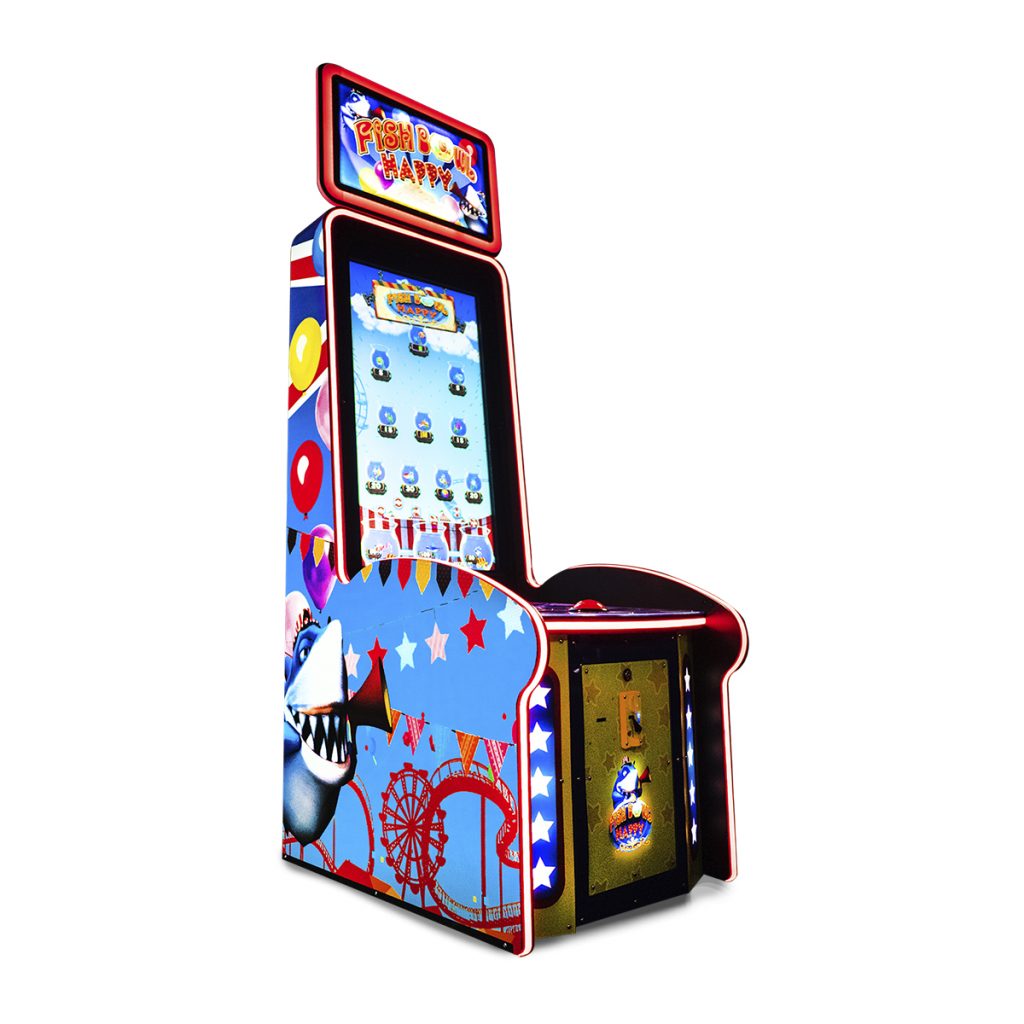
Absolutely! Many modern arcades feature a mix of retro classics alongside new, high-tech games to cater to all gaming tastes.
How do arcades contribute to local economies?
Arcades can boost local tourism, create jobs, and support nearby businesses, turning them into vibrant community hubs.

What’s the future of arcades?
The future looks bright! With advancements in technology and a growing interest in retro gaming, arcades are likely to keep evolving and thriving.
Related Games

Eco-Friendly Arcades Sustainable Fun For The Next Gen
Eco-Friendly Arcades: Sustainable Fun for the Next Gen is where…

Social Media Integration In Modern Arcade Gameplay
Social Media Integration in Modern Arcade Gameplay, sounds like a…

Why The Beep-Boop Era Still Captures Our Hearts
Why the Beep-Boop Era Still Captures Our Hearts is not…