
The Transition from CRT to LED in Arcade Displays marks a colorful journey from the days when our gaming dreams flickered to life on bulky screens that resembled tiny TVs with a bad attitude. Ah, the nostalgia! Remember the days of pumping coins into machines, hoping for that sweet, sweet high score? As we dive into the pixelated history and glorious evolution of arcade games, we’ll uncover how these beloved pastimes have not only transformed our living rooms but also our hearts.
From the groundbreaking debut of Computer Space in 1971 to the golden age filled with classics like Pac-Man and Space Invaders, arcade games have danced through the decades, morphing from bleeping, blooping neon wonders into today’s sleek LED displays. While home consoles tried to steal the spotlight in the ‘90s, arcades are making a triumphant comeback, proving that nothing beats the thrill of competing for high scores in a room full of friends and the smell of popcorn.
Welcome, fellow joystick jockeys and pixel-pounding enthusiasts! Buckle up as we take a hilarious joyride through the neon-lit corridors of arcade gaming. You know, where your quarters went to die and your high scores were recorded in the sacred annals of gaming history! So grab your favorite snack (preferably something that won’t leave grease on your controller) and let’s dive into this pixelated adventure!
A Brief History of the Arcade: The Transition From CRT To LED In Arcade Displays
Ah, the arcade! A magical land where the air was thick with the smell of popcorn, the sound of victory bells, and the soft cries of “NO! I had that!” from frustrated gamers. The arcade scene officially began in the early 1970s, with the birth of games like Pong. Created by Atari, it was basically the digital version of table tennis, minus the angry referee and your grandma yelling, “How do you even play that?”
As the years rolled on like a runaway pinball, more titles emerged. The golden age of arcade gaming peaked in the early ’80s, when legends like Pac-Man, Donkey Kong, and Space Invaders invaded our lives faster than a cat at a laser pointer convention. These games weren’t just entertainment; they were cultural phenomena, popping up in movies, TV shows, and even our dreams (seriously, who hasn’t had a nightmare about a giant yellow circle chasing them?).
The Cultural Impact of Arcade Games
Fast forward to today, and the ripple effects of the arcade explosion are evident everywhere. Just ask your favorite superhero movie! Did you spot the arcade in that flick? Of course, you did! It’s like the gaming equivalent of a cameo appearance, except instead of Tom Cruise, it’s an 8-bit character trying to save the day.
Arcade games have influenced music, fashion, and even our language. How many times have you used “level up” in a conversation? If you’re anything like me, you’ve probably said it while eating a sandwich, implying that you’ve mastered the art of grilled cheese. Plus, let’s not forget the resurgence of retro gaming with indie developers creating pixel art masterpieces that remind us just how far we’ve come since our high-score-chasing days!
The Secrets of Success: What Makes an Arcade Game Great?
So, what’s the magic sauce behind a successful arcade game? Think of it like a perfectly crafted cocktail: a splash of nostalgia, a twist of challenge, and a dash of “I just lost a quarter!” Here are some secrets that have helped arcade games remain timeless:
- Simple Mechanics: The best arcade games have straightforward controls. You should be able to pick up a joystick and dive in headfirst, like a penguin on a mission. Remember, complex controls lead to complex frustrations. And nobody wants to be that person yelling “I swear I pressed the button!”
- Instant Gratification: Arcade games are designed to give you that sweet dopamine rush. You score a point? Ding! You eat a fruit? Ding! You lose a life? Well, that’s more of a sad trombone moment, but you get the idea! Quick rewards keep gamers coming back for more like moths to a flame, or cats to a laser pointer.
- Multiplayer Fun: Who doesn’t enjoy some good old-fashioned competition? Being able to battle your friends in a race or cooperate to save the world from pixelated aliens is what turns an arcade game from “meh” into a “HECK YEAH!”
- Visual Appeal: Let’s be real: graphics matter. Even if your game is as simple as a square chasing a triangle (lookin’ at you, Pong), eye-catching visuals keep players glued to the screen like gum on a sidewalk. Colors, animations, and that sweet, sweet nostalgia all play a part!
Reflecting on the Arcade Legacy
As we take a step back from our joysticks and reflect on the wild world of arcade gaming, it’s clear that these pixelated powerhouses hold a special place in our hearts. They taught us valuable lessons: patience (waiting for our turn), persistence (keep feeding that machine quarters!), and the undeniable truth that sometimes, the only way to win is to keep trying (or, you know, try not to punch the machine in frustration).
In an age of high-definition graphics and virtual reality escapades where you can feel like you’re actually in the game, there’s something undeniably charming about the simplicity of an arcade cabinet. It’s a reminder of our childhood, where our biggest worries were whether or not we could beat our friends at Street Fighter and not whether we’d pay rent this month.
As we close this chapter of our arcade odyssey, let’s take a moment to appreciate the nostalgia, the memories, and the countless quarters that have vanished into the abyss. So next time you hear the cheerful ding of a high score or the frantic beeping of a game over, remember: you’re not just a player; you’re part of a grand, pixelated legacy!
Now, go forth, my fellow gamers, and keep pressing start on this crazy journey we call life—because every day is a chance to level up!
Common Queries
What is the difference between CRT and LED displays?
CRT (Cathode Ray Tube) displays use electron beams to create images, while LED (Light Emitting Diode) displays utilize tiny lights for brighter, clearer visuals with lower energy consumption.
Why did arcades switch from CRT to LED?
Arcades switched to LED for better picture quality, lighter weight, longer lifespan, and lower maintenance costs, making it easier to keep games running smoothly.

Are LED arcade displays better for gaming?
Absolutely! LED displays offer faster response times and vibrant colors, enhancing the gaming experience and making those high scores pop!
Will CRT games look the same on LED displays?
Not quite! While LED can replicate CRT visuals, some classic games may lose their retro charm and distinct pixelation due to the smoothing effects of modern screens.
Are there still CRT arcade machines available?
Yes, there are! Vintage enthusiasts and collectors still cherish CRT machines, and you can often find them at retro arcades or through specialized vendors.
Related Games
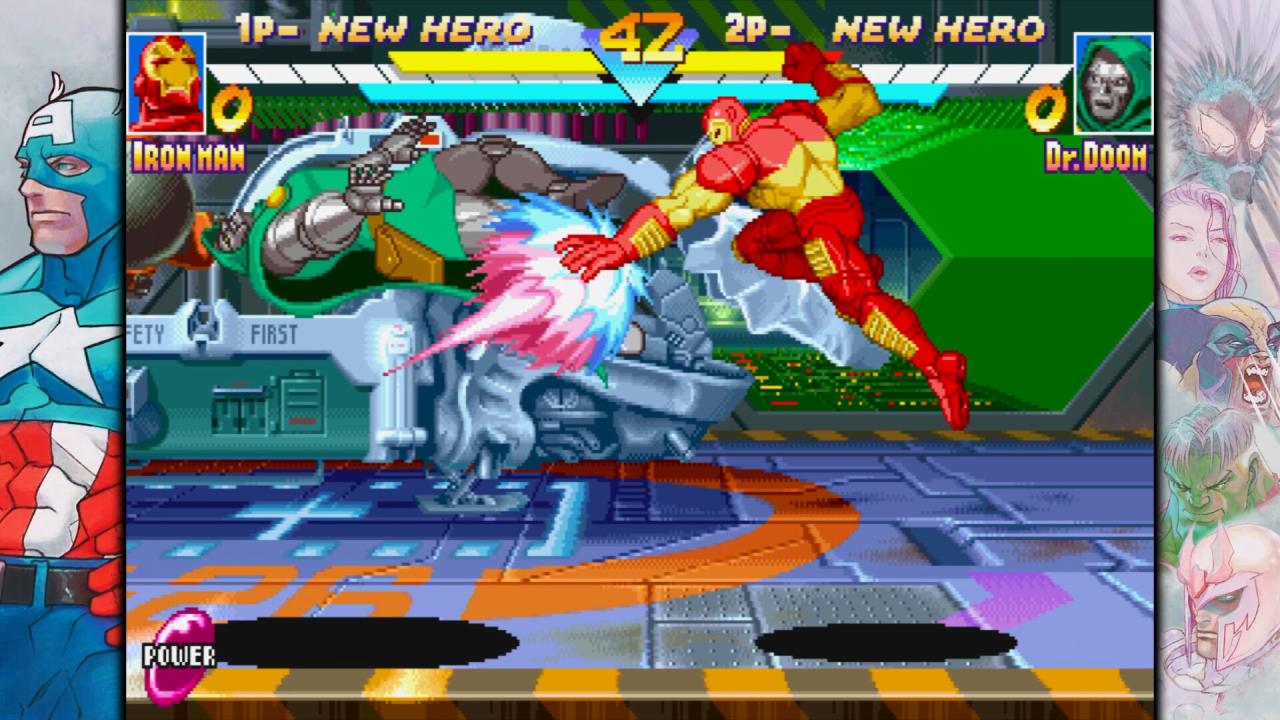
Retro Vs Reboot When Arcade Classics Get A Modern Twist
Retro vs Reboot: When Arcade Classics Get a Modern Twist…
How To Host Your Own Retro Arcade Tournament
How to Host Your Own Retro Arcade Tournament is your…
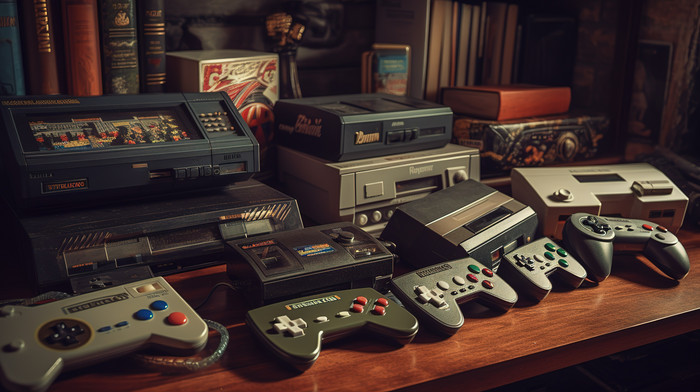
Cross-Platform Arcades When Console And Cabinet Unite
Cross-Platform Arcades: When Console and Cabinet Unite invites you to…